
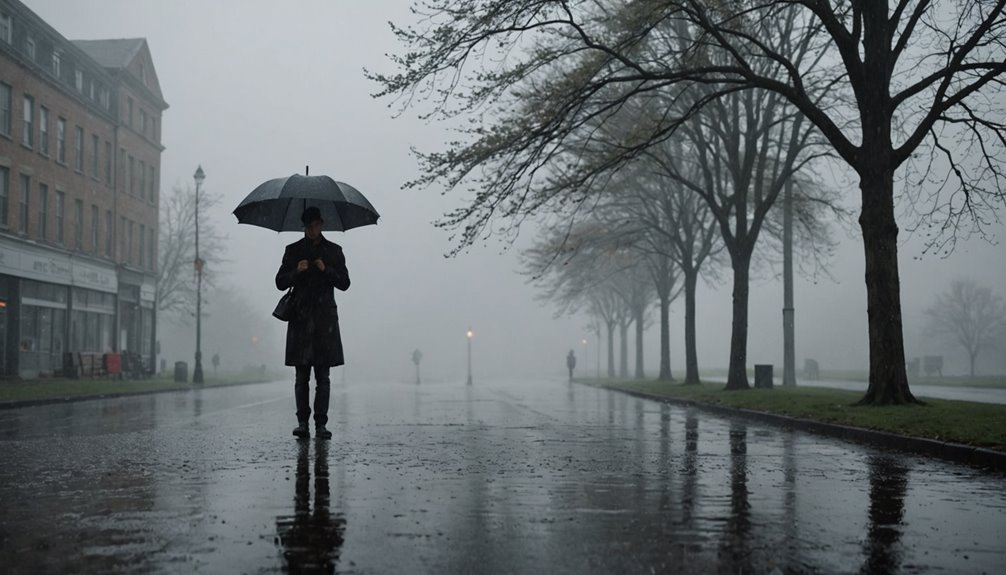
In *If He Had Been With Me*, you’ll find that rain works as the novel’s emotional backbone. It signals grief, foreshadows tragedy, and reflects the growing distance between Autumn and Finny. Each time it falls, it mirrors a shift from tension to loss, from connection to isolation. It doesn’t just set the mood; it externalizes what the characters can’t say out loud. Keep exploring, and you’ll uncover just how deliberately every rainstorm shapes the story’s emotional impact.
Key Takeaways
- Rain symbolizes emotional renewal and transformation, marking shifts between emotional phases and encouraging introspection without fully resolving characters’ feelings.
- Rain acts as an emotional barometer, foreshadowing tragedy by signaling instability before injury, defeat, or death occurs.
- Rain creates an isolating mood that reflects emotional disconnection, contrasting lost childhood warmth and emphasizing longing between characters.
- During moments of loss, rain externalizes grief visibly, representing tension between cleansing and devastation while creating emotional complexity.
- Rain’s accumulated emotional weight throughout the story transforms the ending into a powerful, irreversible threshold of grief and change.
What Rain Actually Symbolizes in If He Had Been With Me

Rain also carries the weight of renewal. It marks shifts between emotional phases, suggesting that even painful experiences can produce growth or transformation. You can read it as a cycle ending so something new can begin.
At the same time, rain deepens moods of sadness, longing, and quiet reflection. It encourages introspection without necessarily resolving what a character feels.
Finally, rain connects to purification and emotional clarity, linking personal grief to something larger and more universal. Within a single image, it holds grief, healing, and change together without forcing any single meaning. Across many cultures, rain has long been regarded as a divine blessing that nurtures both the earth and the human spirit.
How Rain Foreshadows Tragedy in If He Had Been With Me

Throughout *If He Had Been With Me*, rain doesn’t just set the mood—it warns you. The novel uses weather as an emotional barometer, and every storm signals that the story is shifting toward something darker.
When rain appears, you’re not reading neutral background detail you’re receiving a cue that instability is approaching.
This connects to a broader literary tradition where rain precedes injury, defeat, or death. In tragedy-focused storytelling, rain marks the point where ordinary tension tips into a catastrophic outcome.
The novel leans into that tradition deliberately, building its weather system as part of the foreshadowing structure rather than decoration.
How Rain Reflects the Distance Between Autumn and Finny

While rain warns you that tragedy is coming, it also does something quieter—it marks the space growing between Autumn and Finny. You see this distance not through arguments but through atmosphere. Rain creates an enclosing, inward mood that mirrors how both characters retreat into private thoughts they never share.
Their relationship carries childhood warmth, but rain’s cooler tone reflects how that ease has faded. It contrasts what once felt natural with what now feels awkward and unreachable.
| Rain Element | What It Reflects | Relational Effect |
|---|---|---|
| Isolating mood | Private, unshared thoughts | Emotional disconnection |
| Cool atmosphere | Lost childhood warmth | Faded familiarity |
| Reflective quality | Longing and missed connection | Bittersweet distance |
| Enclosing quality | Inwardness over openness | Blocked communication |
You’re watching a relationship that still carries an emotional charge but can’t close the gap. Rain makes that tension visible without forcing either character to speak it aloud. The high school social dynamics that pull Autumn and Finny into separate worlds deepen this silence, making the emotional distance rain symbolizes feel all the more permanent.
What Rain Reveals at the Moment of Loss

When loss arrives, rain stops being background detail and becomes the scene itself. At the moment Autumn’s world breaks, the rain doesn’t comfort her it mirrors the rupture. You feel that weight in how the setting refuses to stay neutral. The environment becomes grief made visible, replacing explanation with atmosphere.
When loss arrives, the setting refuses to stay neutral grief becomes visible, atmosphere replaces explanation.
Rain at this moment also signals disorientation. It blurs perception the same way shock does, slowing everything down until the scene feels suspended. You’re not just watching Autumn absorb the loss you’re feeling how impossible it is to process. The rain makes that numbness physical.
There’s also an ambiguous tension between cleansing and devastation. Rain can suggest renewal, but Finny’s death is final. Any comfort that symbolism might offer gets overtaken by permanence.
The rain implies grief-processing has begun while simultaneously marking what can’t be undone. That contradiction is what makes the scene emotionally complex rather than simply sad. Songwriters have long understood this duality, using rain to represent sorrow and renewal within the same image precisely because the two forces resist easy separation.
Why Rain Symbolism Makes the Ending Hit Harder
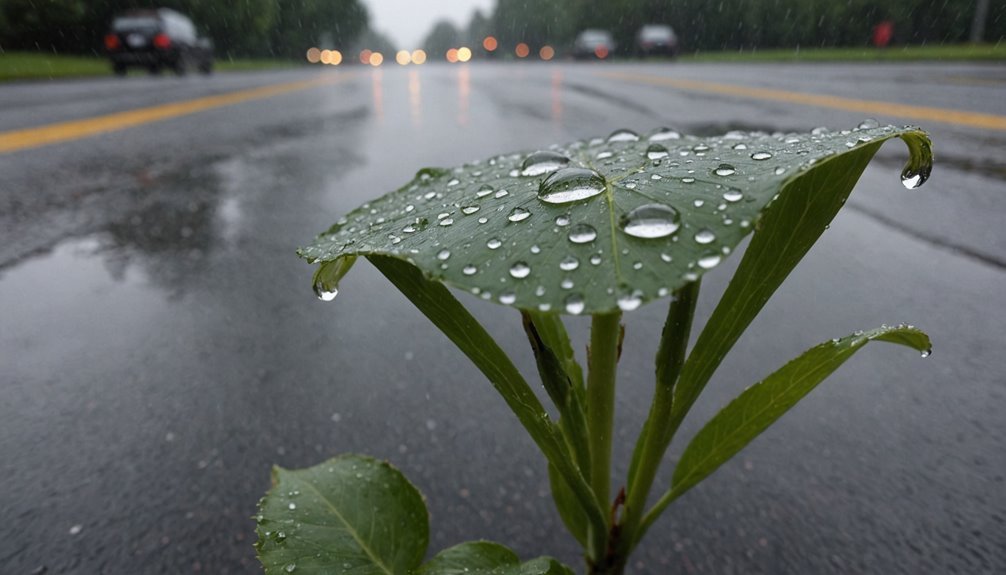
Rain earns its emotional weight at the end because it doesn’t arrive alone it arrives loaded with everything that came before it. You’ve already watched sunny days carry happiness and clarity throughout the story, so when the storm hits, the contrast doesn’t feel accidental. It feels like a verdict.
That shift from brightness to heaviness is what makes the loss land so hard. The environment isn’t just changing it’s confirming that something irreversible has happened. Rain externalizes grief without needing dialogue or explanation. It slows your emotional processing by wrapping the tragedy in a setting that appears to mourn alongside the characters.
What lingers isn’t just the death itself. It’s the way the whole world of the novel seems to acknowledge it. The rain transforms the ending from a plot event into an emotionally charged threshold, one you cross knowing that nothing in the story can return to what it was. Finn’s car crash happens during a storm, and that detail alone reframes every prior rain-soaked moment in the novel as a quiet foreshadowing you weren’t meant to catch the first time.
Conclusion
You’ve now seen how rain in *If He Had Been With Me* does far more than set a mood. It warns you, distances you, and ultimately breaks you alongside Autumn. Every storm you read carries weight you can’t ignore once you understand it. Laura Nowlin uses rain to speak what her characters can’t say out loud. When you return to those rainy pages, you’ll feel the tragedy building long before the ending arrives.
Frequently Asked Questions
Does Rain in the Novel Ever Symbolize Hope Rather Than Sadness?
You can read rain as hopeful, since it often signals cleansing and renewal. However, the novel doesn’t explicitly highlight rain as hope—that interpretation’s more your own reading than a documented symbolic choice.
How Does Rain Symbolism Compare to Other Weather Symbols in the Novel?
You’ll find rain offers emotional release and renewal, while storms signal chaos and danger. Sunshine brings temporary clarity, and autumn emphasizes inevitable loss. Rain’s the most layered symbol, blending sadness, hope, and transformation together.
Is Rain Symbolism in This Novel Common Across Coming-Of-Age Stories?
You’ll find rain symbolism is extremely common across coming-of-age stories. It consistently represents grief, renewal, and emotional turmoil, making it a widely used literary shorthand that authors frequently employ to mirror adolescent transformation and identity formation.
Does the Author Intentionally Use Rain as a recurring motif throughout?
You can’t confirm the author explicitly named rain as a recurring motif, but she intentionally uses weather patterns, including storms, as emotional barometers that foreshadow tragedy and reflect characters’ inner turmoil throughout the novel.
How Does Rain Symbolism Connect to Autumn’s Emotional Growth After Loss?
Rain mirrors Autumn’s healing journey you see it cleanse her grief, push her toward emotional honesty, and transform loss into growth, reinforcing the novel’s coming-of-age themes as she moves from suppression to acceptance.