

*If He Had Been With Me* is worth reading if you can handle emotional weight. It’s not a traditional love story, it’s a grief story built around regret, missed connections, and a relationship that never got the chance it deserved. The pacing is slow and deliberate, and the ending hits hard. If you want something that prioritizes emotional honesty over a happy resolution, keep going there’s a lot more to unpack here.
Key Takeaways
- The novel delivers an emotionally devastating “what if” story centered on grief, regret, and an unresolved childhood romance ending in a gut-punch conclusion.
- Foreknowledge of Finny’s death frames the entire reading experience through loss, making it heartbreaking but rewarding for emotionally prepared readers.
- Pacing is slow and deliberate, with some repetitive chapters, which may frustrate readers expecting a plot-driven or traditionally romantic YA story.
- Heavy trigger warnings apply for suicide and mental health themes, making it unsuitable for readers sensitive to those subjects.
- It’s worth reading for fans of slow-burn, friendship-to-romance YA who appreciate emotional honesty over comfortable, happy resolutions.
What Is *If He Had Been With Me* Actually About?

The novel’s emotional engine runs on a recurring “what if” question: what if they’d stayed close? That premise shapes everything, from the small moments of reconnection to the devastating turn the story takes near the end.
Both characters start dating other people, widening the distance between them, but shared history and overlapping families keep the bond alive beneath the surface.
Then a car accident changes everything. What you thought was a slow-burn romance becomes something heavier a story about grief, regret, and the chances you didn’t take while you still could. Autumn is left to process not only the loss but the weight of feelings she never expressed to Finny before it was too late.
What Autumn and Finny’s Relationship Is Really About

Proximity shapes everything about Autumn and Finny’s relationship. They’ve been inseparable since birth, raised by close mothers who kept them constantly together. That early closeness leaves a permanent emotional imprint — one that never fully dissolves, even when adolescence pulls them apart.
From the very beginning, they were never given the chance to miss each other.
Their drift during middle school isn’t dramatic. Social pressure, shifting peer groups, and the need to belong quietly replace what they once shared. What’s left is awkwardness, avoidance, and unresolved tension, neither of which they name.
That’s what makes their dynamic so affecting. The feelings accumulate beneath ordinary moments. Autumn misreads Finny’s intentions, misunderstands her own emotions, and tries to move forward with Jamie while Finny remains her emotional anchor.
Nothing gets said when it should. Their relationship shifted irrevocably after a pivotal eighth-grade kiss that neither of them knew how to process or talk about.
You’re watching two people fail to recognize that their friendship quietly became love. The relationship is really about silence, missed timing, and how long you can carry something before it’s too late.
What Reading *If He Had Been With Me* Actually Feels Like

All of that silence and missed timing doesn’t just describe Autumn and Finny’s story it shapes how reading the book actually feels. You’re not getting a fast, plot-driven experience. You’re sitting with grief, memory, and the constant ache of what could’ve been said sooner.
The pacing is slow and deliberate. Laura Steven keeps you inside Autumn’s head, letting emotions build quietly before anything major happens. It’s cumulative; each chapter adds weight rather than momentum.
Because you know Finny dies from the very first page, you read every scene through a lens of loss. That foreknowledge makes the what-if tension hit harder. You’re not hoping for a happy ending — you’re mourning one that never came.
Reviewers describe it as heartbreaking and emotionally devastating, but also occasionally frustrating. The ending doesn’t resolve cleanly. You sit with unanswered questions. The book also carries heavy trigger warnings, particularly around suicide and mental health, so it’s worth knowing what you’re stepping into before you begin.
If that sounds appealing, this book will hit hard.
The Parts of *If He Had Been With Me* That Actually Work

The small-town, Midwestern setting works in the story’s favor. It creates an intimate atmosphere where ordinary moments carry real weight. You feel the social drift of high school without needing it spelled out.
The “what if” framing also earns its place. It builds a quiet sense of inevitability that makes the eventual tragedy hit harder than a straightforward narrative would allow.
The grief, when it arrives, doesn’t feel manipulative. It’s tied to regret, missed timing, and a future that never gets to happen — which is what makes it stick.
The prose supports all of this without overreaching. Supporting characters like Finn and Sylvie are written without villainization or reduction, which keeps the emotional focus from feeling unfairly stacked.
The Biggest Criticisms Worth Knowing

- Pacing and repetition — Chapters can feel interchangeable, and the plot rarely builds momentum until the very end.
- Choppy narrative flow — The story skips between events without smooth shifts, making it hard to stay oriented in the timeline.
- Prose style — Some readers describe the writing as a long run-on sentence, feeling more monotonous than immersive.
Overhype also plays a role. When a book carries strong word-of-mouth praise, its weaknesses become harder to overlook.
The ending delivers emotional impact, but many readers question whether the slow, uneven buildup truly earns it. The story centers on Autumn and Finny, two childhood best friends whose close bond is tested and transformed by the pressures of high school dynamics.
How Sad Is *If He Had Been With Me*, Really?

If you’re wondering whether this book will actually break you, the answer is yes and it does so intentionally.
The emotional weight comes from a suffocating mix of regret, missed chances, and love that never quite lands where it should.
You won’t just feel sad; you’ll feel the specific ache of watching two people drift apart while knowing exactly what that distance is costing them.
The Emotional Weight
Grief has a way of sneaking up on you in *If He Had Been With Me*, and that’s what makes it hit so hard. The sadness isn’t just a single tearful moment, it’s layered and persistent.
Three distinct sources drive the emotional weight:
- Foreshadowed tragedy — you sense the loss coming, and the dread builds with every page.
- Unresolved love — near-miss feelings and unspoken words linger long after you finish.
- Grief’s aftermath — the story forces you to sit with how loss reshapes identity and memory.
Readers often describe an emotional hangover that follows them for days. This isn’t a light, bittersweet cry it’s the kind that leaves you genuinely reeling.
Heartbreak and Regret
Heartbreak sits at the core of *If He Had Been With Me*, and it doesn’t let go easily. The sadness here isn’t just about the tragedy itself it’s about regret, missed chances, and love that never got the chance to be spoken aloud.
You feel the weight of every unresolved moment between Autumn and Finn long before the story reaches its breaking point.
What makes it hit harder is that the grief isn’t dramatic for its own sake. It feels earned and painfully real. Ordinary moments carry emotional heaviness, and the distance that grew between two people who clearly mattered to each other makes the loss feel irreversible.
You’re not just mourning what happened — you’re mourning everything that could have been different.
Is the Ending Worth the Emotional Investment?

If you’ve made it through Autumn and Finn’s slow-burn connection, you’re probably wondering whether the payoff justifies the pain.
The ending doesn’t reward you with a happy resolution it hits you with a car accident that kills Finn almost immediately after the two finally confess their feelings.
What you get instead is a gut-punch conclusion that reframes everything you’ve read as a love story that never got its chance.
What the Ending Delivers
- A confession that arrives too late to matter
- A sudden loss that reframes everything you’ve read
- A grief-driven aftermath that replaces romantic payoff entirely
The contrast between the brief moment of hope and the immediate tragedy is exactly what makes the ending so difficult to shake.
You won’t feel reassured walking away from these final chapters. You’ll feel the weight of missed timing, unresolved feelings, and permanence.
The ending’s strength isn’t comfort it’s emotional impact, and it hits harder precisely because you were expecting something else.
Emotional Payoff Explained
Whether the ending is “worth it” depends entirely on what you came looking for. If you want a hopeful romantic payoff, the ending will likely frustrate you. The story doesn’t resolve into comfort it resolves into grief, regret, and everything left unsaid.
But if you’re the kind of reader who finds emotional honesty more satisfying than reassurance, the payoff hits hard. Autumn’s loss isn’t just about Adam’s death — it’s about every moment she didn’t act on her feelings, which makes the ending feel personally consequential rather than simply tragic.
The book’s emotional impact is rooted in recognition, not resolution. You’re left sitting with the weight of missed chances, which is exactly what makes it so difficult to forget.
How *If He Had Been With Me* Fits Into the YA First-Love Genre
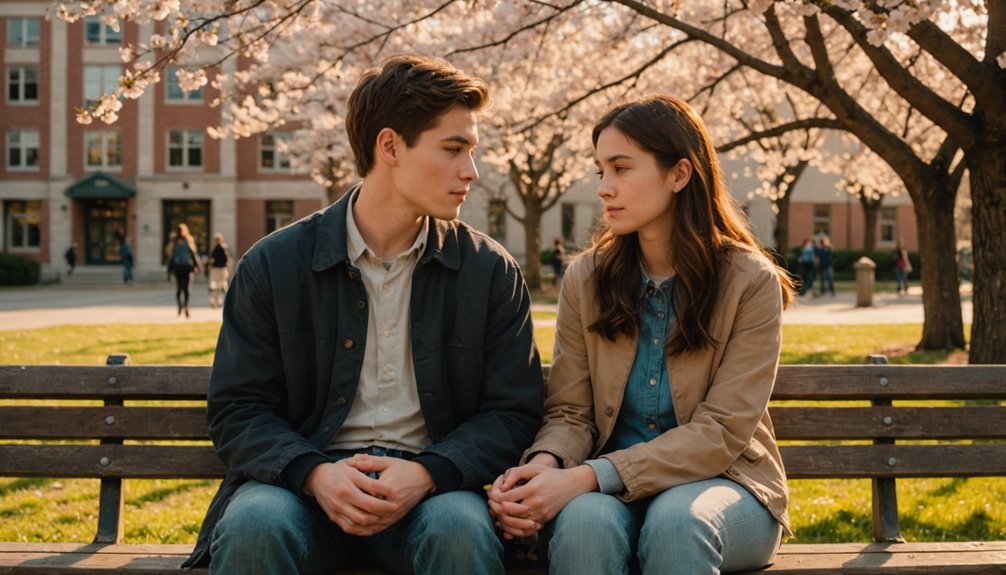
What makes it a textbook fit comes down to three core elements:
- Friends-to-lovers foundation — their deep shared history fuels every unspoken feeling.
- Coming-of-age structure — the story spans four high school years, weaving romance into identity and growth.
- Bittersweet emotional tone — grief, mental illness, and tragedy replace the lighter romance you might expect.
If you love YA that treats first love as something formative rather than simple, this novel delivers.
It doesn’t just fit the genre it pushes it in a darker, more honest direction.
Who Should Read *If He Had Been With Me

If you’re the kind of reader who wants a slow-burning, emotionally gutting story about first love and missed chances, *If He Had Been With Me* was written for you.
You’ll connect most with this book if you’re comfortable sitting with heavy themes like depression, grief, and regret rather than looking for an easy, feel-good read.
If that sounds like your kind of story, you’ll also want to know which books carry a similar emotional weight—because once this one ends, you’ll be looking for more.
Ideal Reader Profile
- You enjoy slow-burning, friendship-to-romance tension built over four high school years.
- You’re comfortable with grief, loss, and heartbreaking emotional outcomes.
- You value relationship dynamics and social shifts over plot-driven action.
If you prefer uplifting or light romance, this novel’s devastating tone may not suit you.
But if tearjerker YA resonates with you, *If He Had Been With Me* delivers exactly that.
Books With Similar Vibes
For friendship-to-love tension with strong adolescent voices, *Simon vs. the Homo Sapiens Agenda* and *Better Than the Movies* are both solid next reads.
Should You Read *If He Had Been With Me*?

If you want emotionally intense, character-driven fiction built around longing and regret, this book delivers.
It’s not plot-heavy or fast-paced it’s a slow, aching story about missed timing and the weight of unspoken feelings.
You’ll want to read it if:
- You enjoy angsty YA romance centered on first love and heartbreak.
- You’re drawn to stories exploring identity, mental health, and growing apart.
- You don’t mind a devastating ending that lingers long after you finish.
However, if you prioritize elegant prose, emotional complexity, or high rereadability, you’ll likely find it lacking.
Several readers found the execution frustratingly simple despite its emotional payoff.
Read it once for the gut-punch it delivers, just don’t expect to return to it.
Conclusion
If you’re craving a slow-burn, emotionally gutting YA romance that lingers long after you finish, you’ll find *If He Had Been With Me* worth every tear. It’s not a perfect book, but it’s an honest one. You’ll connect with Autumn’s voice, feel the weight of what’s lost, and question every “what if” right alongside her. Give it a chance it’s the kind of story you won’t easily shake.
Frequently Asked Questions
What Age Group Is *If He Had Been With Me* Best Suited For?
You’ll find *If He Had Been With Me* best suits readers aged 15–18. It aligns with publisher guidance and resonates most with teens exploring first love, identity, and emotional growth during high school years.
How Long Does It Typically Take to Read This Book?
At an average reading speed, you’ll finish *If He Had Been with Me* in about 5 hours. Faster readers can complete it in a single evening, while casual readers typically finish it over a weekend.
Is *If He Had Been With Me* Part of a Series or Standalone?
You can treat *If He Had Been With Me* as a standalone novel. It’s got one companion book, *If Only I Had Told Her*, but you don’t need it to enjoy the original story.
Who Is the Author of *If He Had Been With Me*?
You’re reading a novel written by Laura Nowlin, a New York Times bestselling author and viral BookTok phenomenon. She’s known for her emotionally powerful young adult fiction focusing on coming-of-age themes, love, and loss.
Has *If He Had Been With Me* Been Adapted Into a Film or Show?
As of now, you won’t find an official film or TV adaptation of *If He Had Been With Me*. Fans have speculated online, but no studio or streaming service has confirmed a production.