
In *If He Had Been With Me*, the car accident symbolizes fate, missed timing, and love that never gets the chance to exist. It transforms romantic possibility into permanent absence, turning “almost” into “never.” The crash externalizes silence every unspoken feeling becomes irreversible loss. It also highlights life’s fragility, showing how a single moment can rewrite everything. If you keep exploring this novel’s layers, there’s much more beneath the surface.
Key Takeaways
- The car accident symbolizes fate and missed timing, transforming romantic possibility into permanent absence through sudden, irreversible loss.
- The crash converts the word “almost” into “never,” locking unrealized possibilities between Autumn and Finny permanently in place.
- The accident externalizes the silence between Autumn and Finny, turning unspoken emotions into irreversible, tragic consequence.
- The car shifts symbolically from representing freedom and youth to embodying fatal consequence and inescapable destiny.
- The crash anchors Autumn in grief, freezing her in “what if” thinking and trapping her identity in loss.
What Does the Car Accident Symbolize in If He Had Been With Me?
In Laura Nowlin’s *If He Had Been With Me*, the car accident that kills Finny carries a symbolic weight far beyond a single tragic event. It represents fate, lost possibility, interrupted love, and the devastating consequences of timing.
When you read the novel, you sense the crash isn’t random it feels like something the story has been building toward all along, confirming a tragic destiny neither Finny nor Autumn could escape.
The accident strikes at the worst possible moment. Finny’s already planning to break up with Sylvie, meaning the crash freezes the relationship right before resolution. It transforms romantic possibility into permanent absence, leaving you with the ache of what could’ve been.
Beyond lost love, the crash also underlines life’s fragility. Finny dies suddenly, turning an ordinary drive into an irreversible loss. Autumn, who is left to grieve, finds herself carrying a symbol of hope in the form of her pregnancy, representing new beginnings even amid devastating despair.
The symbolism ultimately centers on how a single moment shaped by timing rather than desire can permanently collapse an entire future.
Why Does the Novel Open With Finny’s Death?

When you open *If He Had Been With Me*, you encounter Finny’s death immediately, and that choice strips away any suspense about the outcome, so the focus lands on meaning instead.
The novel uses this opening to establish dramatic irony, making every memory Autumn revisits feel heavier because you already know where everything ends.
That structural decision turns the entire narrative into a grief-driven reflection, framing Autumn’s voice not as a storyteller building toward a climax but as someone piecing together what she’s already lost. Readers have described feeling a deep emotional attachment to Autumn’s journey, finding her experience of grief and healing achingly real.
Establishing Immediate Tragedy
The novel opens with Finny already dead, and that choice immediately changes how you read everything that follows. You don’t get a gradual buildup or a romantic introduction. Instead, you enter the story already inside grief, and that shapes every memory Autumn revisits.
This structure loses the starting condition, not the ending. Here’s what that decision accomplishes:
- It frames the entire narrative as a retrospective account of irreversible consequences.
- It replaces the typical coming-of-age opening with immediate mourning.
- It establishes grief as the emotional baseline for every scene that follows.
- It signals that the story examines regret and absence rather than romantic fulfillment.
You’re not waiting for tragedy to arrive. It’s already happened, and that’s exactly the point. Finny’s sports car, a gift from his absentee father, becomes the tragic symbol tied directly to his death, making the accident inseparable from the objects and relationships that defined his life.
Creating Dramatic Irony
Knowing Finny is already dead before the story begins does more than establish grief—it rewires how you process everything that follows.
Every conversation he has with Autumn, every small moment between them, carries the weight of an ending you already know is coming. That’s dramatic irony working at full force.
You’re not reading to find out *if* tragedy strikes you’re watching it approach while the characters remain unaware.
Finny’s decision to leave and break up with Sylvie feels heavier because you understand what that night costs him. Ordinary scenes become charged with dread. Hopeful moments feel temporary.
The novel shifts your focus from anticipation to inevitability, turning each interaction into a quiet countdown.
You see the danger clearly. They don’t. Autumn carries the painful burden of knowing the true events that led to the crash, making her grief uniquely isolating.
Framing Autumn’s Grief
Opening a novel with death is a deliberate structural choice, and Laura Nowlin makes it count. You learn Finny is gone before you’ve settled into the story, which means every flashback you read carries the weight of what you already know.
This framing immediately puts Autumn’s grief at the center. You’re not waiting for tragedy, you’re living inside its aftermath from page one.
That opening choice accomplishes several things at once:
- It positions Autumn’s sorrow as the story’s emotional core.
- It transforms ordinary memories into charged, irretrievable moments.
- It makes remembering part of her mourning.
- It signals that survival isn’t the point grief’s shape is.
You’re not reading toward loss. You’re reading through it, which changes everything about how Autumn’s story lands.
How Does the Crash Function as a Narrative Turning Point?
When you read *If He Had Been With Me*, you already know Finny dies before the story truly begins, and that opening death frames everything that follows as a reconstruction rather than a discovery.
This early revelation creates dramatic irony, forcing you to watch ordinary moments between Autumn and Finny carry a weight the characters themselves can’t feel.
The crash doesn’t just end Finny’s life, it shifts the novel’s entire focus away from adolescent uncertainty and toward grief, guilt, and what can never be recovered.
Opening Death Frames Narrative
The novel begins after Finny’s death, and that choice immediately shapes how you read everything that follows. Autumn narrates from the present, filtering the entire story through grief and memory. That structure makes the crash a fixed endpoint rather than a surprise, so you’re always reading backward toward a loss you already know happened.
The opening death frame does several things at once:
- It turns the accident into the story’s central organizing event
- It shifts the narrative from chronological to retrospective
- It makes every earlier scene carry the weight of what’s coming
- It positions grief as the lens through which you understand Autumn’s choices
Because the death comes first, the crash isn’t a twist it’s a trigger that pulls the whole story into focus.
Dramatic Irony Builds Tension
Because Finny’s death is revealed before the story fully unfolds, dramatic irony becomes the novel’s primary source of tension. You already know the outcome, so every quiet moment between Autumn and Finny carries fatal weight instead of romantic possibility. Small hesitations, missed confessions, and ordinary interactions no longer feel minor. They become evidence of time running out.
The crash functions as a structural hinge, shifting the novel’s focus from relationship tension to grief-driven reflection. It doesn’t arrive as a surprise, it arrives as confirmation. That distinction matters because the tension you feel isn’t built from suspense about what happens.
It’s built from watching characters move toward an ending you can already see. The accident makes their delayed connection feel irreversible, turning every scene before it into quiet, painful foreshadowing.
Tragedy Shifts Story’s Focus
Once the crash occurs, the novel stops being about what might happen between Autumn and Finny and becomes entirely about what can’t. The accident functions as a hard narrative divide, pulling focus away from teenage social dynamics and into the psychic weight of sudden, permanent loss.
You’ll notice the story reorganizes itself around this moment:
- Unresolved feelings transform into irrevocable grief
- Ordinary memories become sources of mourning and counterfactual thinking
- The car shifts from symbolizing freedom to representing fatal consequences
- Autumn’s internal world replaces shared adolescence as the story’s center
The crash compresses loss, fragility, and the cost of silence into one scene. What felt like a buildup now reads as a setup for tragedy, and the novel broadens from a coming-of-age story into a meditation on the aftermath. The story is set in suburban Ferguson, Missouri, grounding this emotional devastation in the recognizable rhythms of ordinary American teenage life.
What Does the Car Accident Symbolize About Missed Timing?

In *If He Had Been With Me*, the car accident functions as the novel’s sharpest symbol of missed timing the moment when “almost” becomes “never.” Autumn’s realization of her feelings arrives too late to change anything, and the crash makes that delay permanent.
The accident doesn’t just end Finny’s life; it locks every unrealized possibility into place forever.
| Symbolic Layer | What It Represents | Emotional Effect |
|---|---|---|
| Missed timing | Love recognized too late | Grief over inaction |
| Impossibility | Chance is eliminated by fate | Permanent “what-if” |
| Delayed realization | Feeling without action | Irreversible consequence |
| Fatal cutoff | No closure remains possible | Tragic finality |
You feel that weight throughout the novel’s ending. The crash transforms emotional hesitation into consequence, showing you that timing shapes not just events but entire life stories. Once the accident happens, no confession, conversation, or choice can reopen what’s been closed.
What Does the Crash Reveal About Separation and Lost Closeness?
Missed timing seals fate, but the crash also pulls back to reveal something that was already breaking long before the accident the slow erosion of closeness between Autumn and Finny.
You watch their bond gradually fragment as their social circles diverge, contact diminishes, and their lives pull in opposite directions. The accident doesn’t create the separation; it confirms and freezes it permanently.
What the crash exposes:
- Physical distance reflects emotional distance neighborhood proximity gave way to separate worlds long before the collision.
- Missed intimacy lived in memory before Finny died, making the loss feel doubled.
- Retrospective narration forces you to experience closeness only after it’s already gone.
- Irreversible rupture converts quiet emotional drifting into literal, permanent absence.
Because the novel opens after Finny’s death, you’re never allowed to witness the closeness without already knowing it’s lost. The crash simply makes what was invisible finally undeniable.
How Does the Car Accident Drive the Novel’s Fatalistic Tone?
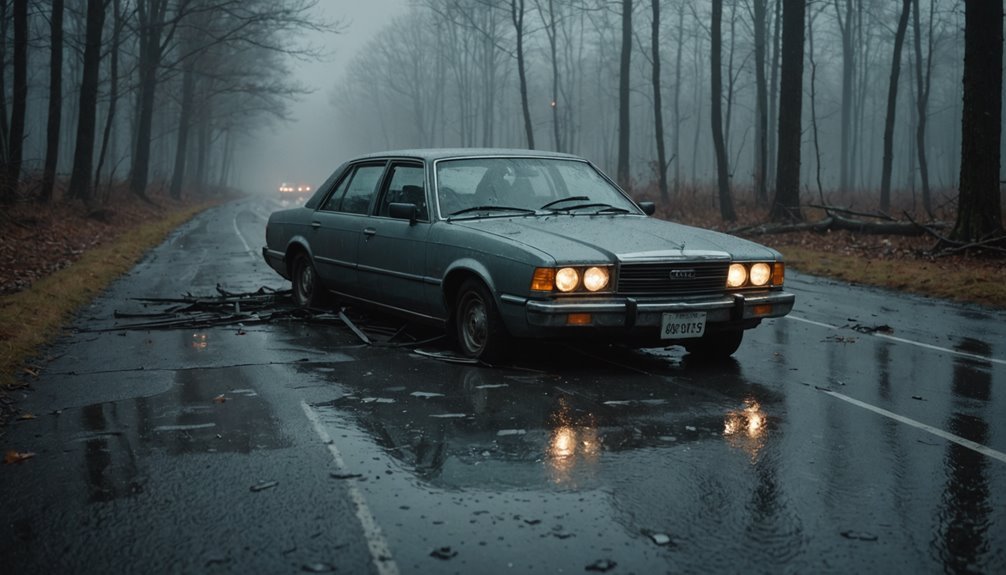
When you open *If He Had Been With Me*, you already know Finny dies, and that knowledge turns every warm scene into a quiet countdown.
The romance never gets a chance to reach fulfillment because the narrative keeps pulling it toward an ending that’s already been decided.
His death doesn’t just close the story; it reframes everything that came before as part of a fate neither character could escape.
Tragedy Signals From Opening
From the novel’s very first pages, the car accident isn’t a surprise ending; it’s the starting point.
Laura Weymouth positions the crash within the opening frame, splitting the story into “then” and “now” before you’ve had time to settle in. That structure immediately locks in a mourning-centered tone.
Here’s what that opening design does to your reading experience:
- It filters every early scene through inevitability rather than suspense.
- It creates instant dramatic irony, since you already know what’s coming.
- It establishes that the central relationship is shadowed by loss before the backstory develops.
- It replaces conventional tension with grief as the story’s emotional foundation.
You’re never waiting to see if tragedy arrives — you’re watching it approach from the very beginning.
Romance Moves Toward Impossibility
The car accident doesn’t arrive as a random tragedy it arrives as confirmation. By the time it happens, you already sense the relationship can’t survive its own momentum. Finny is on the verge of leaving Sylvie, on the verge of finally crossing into something real with Autumn, and that’s precisely when everything stops.
The crash doesn’t interrupt a future it erases one that had barely become imaginable.
You feel the weight of that timing because the novel’s structure makes hope feel dangerous. Autumn narrates from loss, which means every romantic possibility carries the shadow of what you already know.
The accident doesn’t defeat the romance through rejection. It defeats it through absence, freezing the relationship permanently between friendship and something closer, too late to reach.
Death Intensifies Fatalistic Narrative
The crash works as a fatalistic trigger because it:
- Eliminates future choice, locking the outcome before the ending arrives.
- Makes earlier scenes feel like signs of impending loss rather than ordinary moments.
- Confirms that personal desire can’t override forces beyond anyone’s control.
- Turns memory into evidence of what couldn’t be avoided.
Because the narration happens after Finny’s death, you experience every scene as a prelude to disaster — not suspense, but inevitability.
How Does the “What If” Theme Grow Directly From the Accident?

Because the novel opens after Finny is already dead, every memory Autumn revisits carries the weight of a future that never happened. The accident doesn’t just end his life, it transforms the entire story into a sustained hypothetical.
You’re reading backward through moments that feel loaded with missed chances, each one quietly asking what would’ve changed if the crash hadn’t occurred.
The “what if” theme grows directly from that single event, as the accident marks the exact point where imagined futures end and grief begins. Before the crash, the possibility existed. After it, only speculation remains.
You notice how the novel’s shifting timelines reinforce this pattern. Every contrast between past and present frames the accident as a permanent dividing line.
The romance between Autumn and Finny never resolves, which keeps their relationship locked in unfinished tension. The crash doesn’t just create loss it creates an entire alternate life you’re left imagining but never reaching.
How Does the Crash Reshape Autumn’s Grief and Identity?
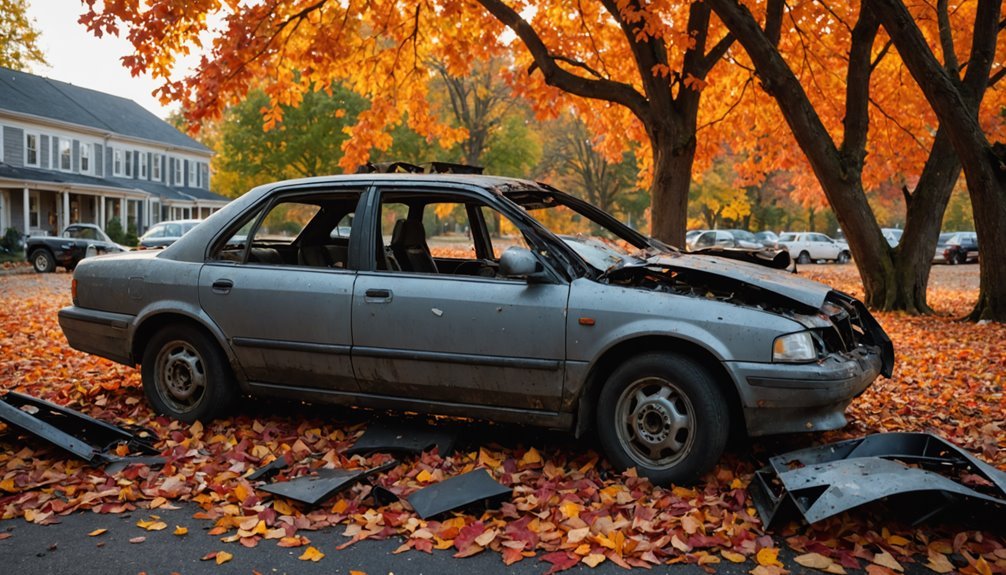
Grief doesn’t arrive gently in this novel it lands before Autumn has any room to prepare. The accident doesn’t just cause grief; it restructures who Autumn is. You watch her identity shift from “the weird girl” into someone defined entirely by loss.
Grief doesn’t arrive gently here it crashes in, reshaping Autumn’s identity before she has any room to recover.
The crash does four specific things to her sense of self:
- It turns memory into a tool for meaning-making, forcing her to reread every shared moment in light of tragedy.
- It locks her into survivor’s guilt, trapping her in “if only” thinking she can’t escape.
- It separates her further from her peers, deepening her outsider identity.
- It blocks forward development, replacing relational growth with unresolved mourning.
You see grief become active rather than passive here. Autumn doesn’t simply miss Finny she carries responsibility, replays the past, and builds her present identity around his absence.
The crash doesn’t just mark a loss; it permanently redirects who she’s becoming.
What Does the Car Accident Symbolize About Love Never Spoken Aloud?
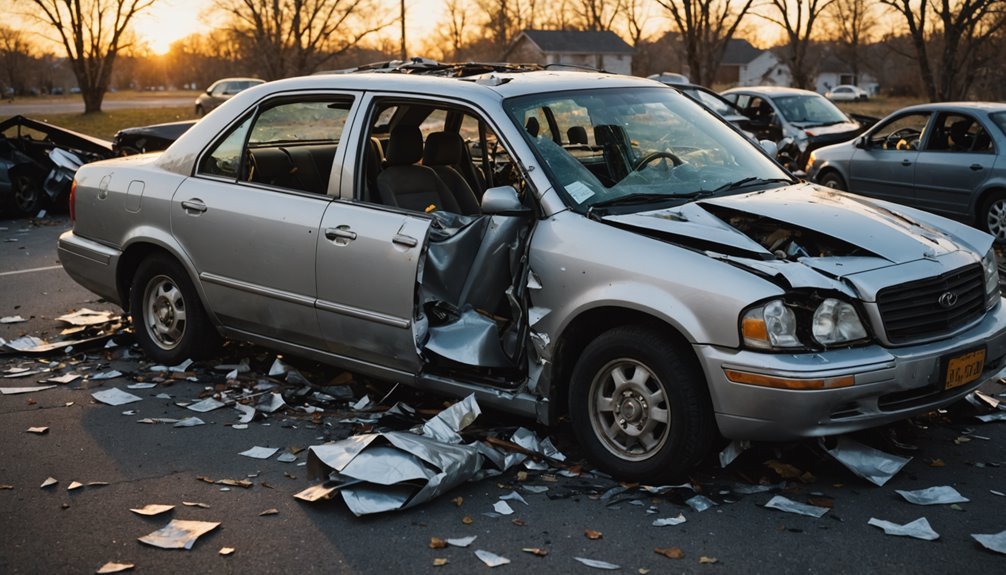
Silence, in *If He Had Been With Me*, doesn’t stay invisible the car accident gives it weight and consequence. The crash externalizes everything Autumn and Finny never said aloud, transforming emotional silence into physical, irreversible loss.
You watch their bond exist entirely in implication, where both feel deeply but neither speaks directly. The accident doesn’t interrupt a relationship; it interrupts the moment before one could begin.
Finny dies at the exact threshold of possible confession, which means the crash erases futures rather than just a person. You see how timing controls romantic destiny here, not feelings, not intentions, but whether words arrive in time. The love isn’t imaginary or shallow; it’s real but structurally incomplete.
What the accident ultimately symbolizes is communication that arrives too late. Silence in this novel carries consequences, and the crash makes that truth undeniable: unspoken love can be authentic and still end in permanent, irreversible loss.
How Does the Accident Trap Autumn Inside Memory and Unresolved Loss?

The accident doesn’t just end Finny’s life it freezes Autumn inside the moment of losing him.
Because the novel opens with his death, every memory you encounter is already shadowed by irreversible loss. Autumn’s mind circles the crash repeatedly, turning it into a loop rather than a past she can close off.
Her grief stays active through constant “what if” thinking:
Her grief refuses to settle it keeps moving, kept alive by questions that have no answers.
- She replays alternate outcomes that can never exist.
- Memory preserves Finny’s presence while blocking emotional release.
- The crash reactivates earlier shared moments, making the past feel more vivid than the present.
- Her later suicide attempt shows the collision’s ongoing psychological damage.
You can see how the accident functions as a narrative trap the story can’t escape the moment that gave rise to Autumn’s grief.
Because nothing about the crash can be revised, she stays psychologically stuck at the point of impact, mourning a future she can only imagine.
Conclusion
You’ve followed Autumn through every layer of grief, regret, and unspoken love that the car accident releases. The crash doesn’t just end Finny’s life, it forces you to reckon with every moment that can’t be taken back. You see how timing, silence, and distance can cost everything. Laura Nowlin’s novel reminds you that the words you don’t say and the chances you don’t take carry a weight that surviving can’t erase.
Frequently Asked Questions
Who Else Is Affected by the Car Accident Beyond Autumn and Finny?
Beyond Autumn and Finny, you’ll see that Silvie, both families, and the wider school community are all affected. The crash shatters relationships, disrupts households, and leaves friends and classmates grieving with unanswered questions.
Is the Car Accident Based on Any Real Event From the Author’s Life?
No confirmed link exists between the car accident and Laura Nowlin’s real life. You can’t find any direct author statement supporting that claim, so it’s safest to treat the crash as a fictional literary device.
How Do Other Characters Respond Emotionally to Finny’s Death?
You’ll see Sylvie suffer direct trauma, peers respond with rumors and confusion, and both families sink into shared mourning. Finny’s death shatters the adolescent social world, shifting friendships and leaving everyone fragmented by grief and unanswered questions.
Does the Car Accident Change Autumn’s Relationships With Other People?
Yes, the accident changes Autumn’s relationships by ending her bond with Finny permanently, deepening her isolation at school, straining both families, and transforming every connection around her into something shaped by grief and unresolved loss.
What Happens Immediately After the Car Accident in the Story?
After the crash, Sylvie flies through the windshield and lands in a puddle. Finny rushes out to check on her, but he’s electrocuted by a wire in the puddle and dies instantly at the scene.