
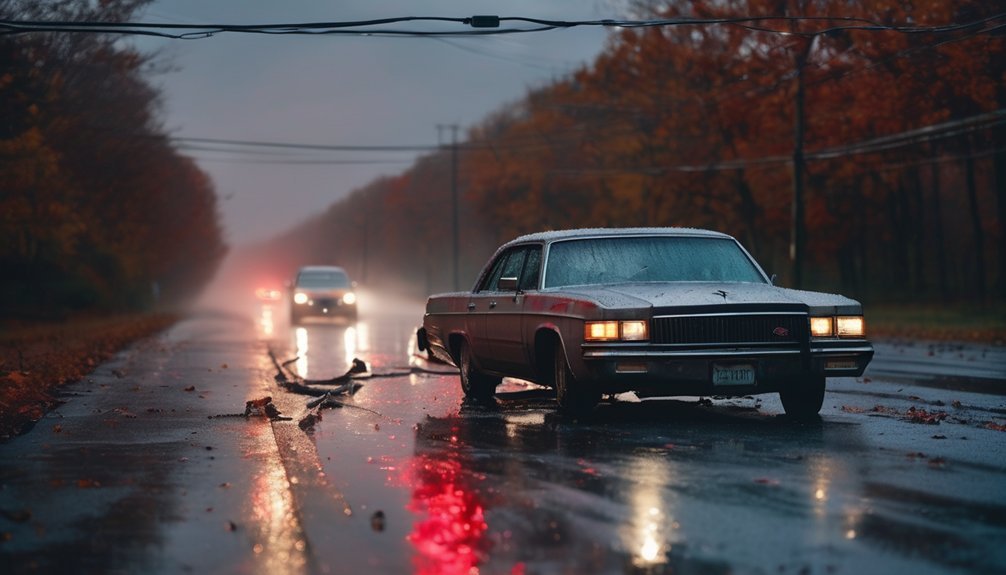
In If He Had Been With Me, Finny dies from electrocution. After a catastrophic car crash during a rainstorm, he rushes out to help Sylvie, acting on his instinct to protect the people he cares about. He steps into a puddle connected to a downed power line, and the rain-soaked ground conducts the electricity, killing him instantly. It’s a devastating, random moment — and there’s much more to uncover about the night it all happened.
Key Takeaways
- Finny dies from electrocution after stepping into a puddle containing a downed live electrical wire during a rainstorm.
- He rushed out of his car to help Sylvie following a catastrophic crash caused by a drunk driver.
- The rain-soaked ground amplified electrical conductivity, making contact with the live wire instantly fatal.
- His death occurs tragically on the same night he confessed his love to Autumn and planned to leave Sylvie.
- Autumn learns the full details of Finny’s death while giving birth to his child.
How Does Finny Die in If He Had Been With Me?

In If He Had Been With Me, Finny dies from electrocution during a rainstorm when he rushes to help Sylvie after a car accident. After Sylvie is ejected through the windshield, Finny immediately runs toward her without noticing a downed electrical wire lying in a nearby puddle. The moment he steps into contact with the live wire, he dies instantly.
What makes his death so devastating isn’t just the tragedy itself — it’s the timing. Moments before the accident, Finny had finally confessed his love to Autumn, and she had returned those feelings. He was planning to break up with Sylvie that very night and return to Autumn.
Then he was gone.
Then he was gone — just like that, between one heartbeat and the next, before the future even had a chance to begin.
His death is a brutal example of life’s unpredictability. He didn’t survive long enough to build the future he’d just decided to fight for, making his loss all the more unbearable. The emotional weight of unspoken words and missed opportunities between Finny and Autumn throughout their complicated history makes the finality of his death even harder to bear.
For a deeper look at their relationship and what they lost, see our full Autumn and Finny relationship analysis.
What Caused the Crash That Night?
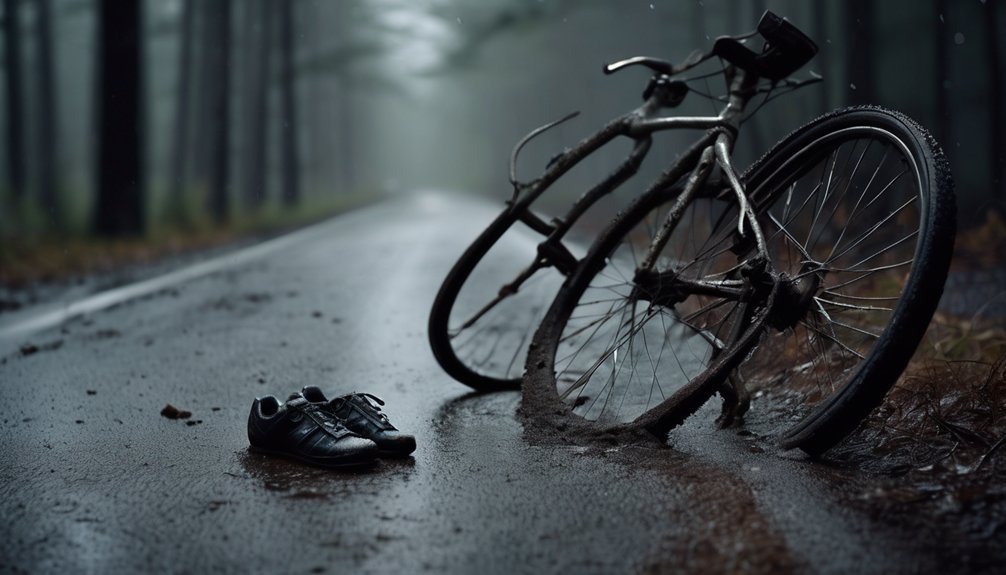
The crash is caused by a drunk driver who collides with Finny and Sylvie’s car during the rainstorm. The impact is catastrophic. What makes it worse is that the driver fled the scene afterward. For the families involved, no arrest changes what happened that night.
The rainstorm itself plays a critical role. Rain-soaked roads reduced visibility and increased stopping distances. The combination of a drunk driver, poor road conditions, and a fallen power line creates the specific chain of events that kills Finny. Remove any one element and the night ends differently.
This is the novel’s cruelest structural choice: Finny dies not because of anything he did wrong, not because of any flaw in his character, but because of a random intersection of circumstances over which he had no control. He acted correctly in every way. The drunk driver, the storm, and the downed wire did not care about that.
The Role of the Rainstorm in Finny’s Death
Laura Nowlin’s choice to set Finny’s death during a rainstorm is not incidental. Rain runs through the entire novel as a recurring motif, and the storm that kills Finny represents the culmination of that imagery. The rain that night serves multiple functions simultaneously: it makes the crash more likely by reducing road safety, it makes the downed power line more deadly by creating conductive puddles, and it creates the conditions that prevent Finny from seeing the danger before he walks into it.
The storm also isolates the event. There is no one nearby to warn him. No one who sees the wire and calls out. Just the rain, the wreckage, and Finny moving toward Sylvie without hesitation. Nowlin uses the storm to strip away every possible intervention and leave only the accident itself.
What Happens to Sylvie in the Crash?
Sylvie is ejected through the windshield during the collision. She survives, but her survival exists in stark and painful contrast to Finny’s death. She was the one who needed saving. He was the one who ran to save her. And yet she lives and he does not.
The novel does not dwell on Sylvie’s physical recovery or her emotional response to surviving. The narrative moves immediately to Autumn’s experience of grief. Sylvie’s survival is presented as a fact the reader must hold alongside Finny’s death without explanation or resolution. That discomfort is intentional. Nowlin does not offer comfort or logic. She offers the truth of what happened, which includes the deeply unfair reality that the person who tried to help died while the person who needed help survived.
Why Finny Got Out of the Car — and How the Power Line Killed Him
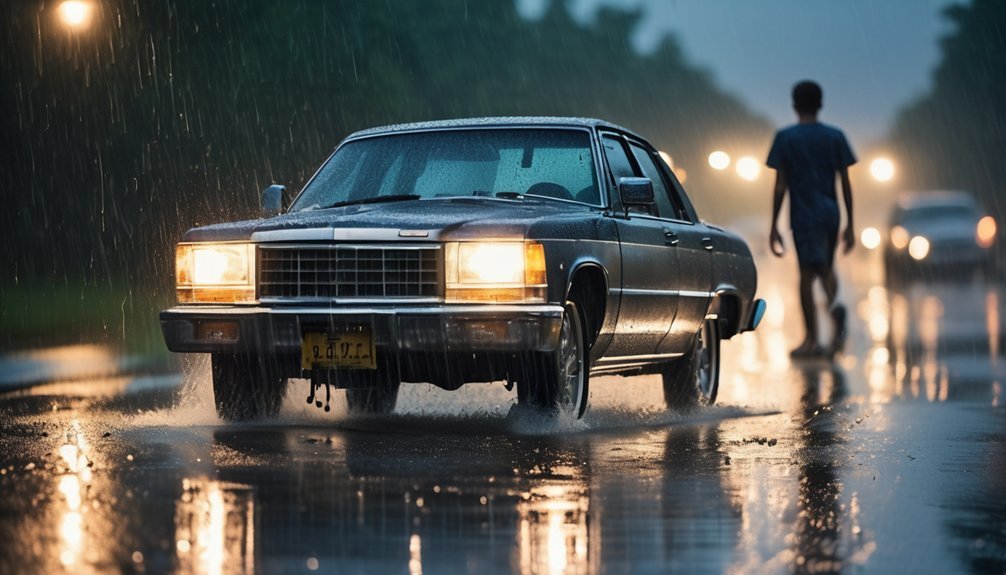
Despite planning to end things with Sylvie that very night, Finny doesn’t hesitate before rushing out of the car to check on her. That’s who he is — someone who acts on instinct when someone he cares about needs help, even when the relationship is complicated. His dash to Sylvie’s side isn’t about romantic love. It’s about a deeper, almost reflexive protectiveness that defines his character throughout the novel.
Finny’s Protective Nature
Finny’s protective nature is one of his most defining character traits across the entire book. He consistently shields the people around him, whether that means standing between Autumn and social cruelty in middle school, or running toward a crash scene in the rain without pausing to assess the danger. These aren’t random acts — they’re instincts that have been present since childhood.
Readers and reviewers consistently note this quality in their reviews of the novel. His protectiveness isn’t a phase or a pose. It’s a permanent feature of who he is, visible in every chapter that shows him in action. His empathy extends to anyone in distress, regardless of what that person represents in his life at the moment.
Acting Without Thinking
Finny acts before he thinks — and that split-second instinct is exactly what kills him. He walks away from the crash physically unharmed, but instead of pausing to assess the scene, he rushes straight to Sylvie. The argument, the rain, the sudden violence of the crash — all of it creates a tunnel vision that locks his focus entirely on her.
He doesn’t scan for downed wires. He doesn’t register the dangers a fallen power line introduces in a puddle on wet ground. He just moves. That impulsive urgency — the same quality that makes him someone worth caring about throughout the story — becomes the thing that costs him everything. He steps into an electrified puddle and dies before he even understands what is happening.
The book’s theme of life’s fragility is embedded in this exact moment, reminding readers that loss can arrive without warning and without the chance to say goodbye. Laura Nowlin does not give Finny a dramatic death scene. She gives him an instant one, which is both more realistic and more devastating.
Love Beyond Romance
When Finny gets out of that car, it isn’t really about Sylvie — it’s about who he is. Finny cannot ignore suffering. It doesn’t matter that Sylvie stands between him and Autumn, or that he planned to end things with her that very night. The moment she is thrown from the vehicle, she is simply a person who needs help, and Finny is not capable of driving away from that.
This is the same instinct that led him to maintain a quiet connection with Autumn across years of high school distance. His empathy doesn’t switch off based on romantic complications. He extends genuine concern to anyone in distress, regardless of what they represent in his life. Sylvie is not his future — but she is hurt, and that is enough for Finny to act.
The Downed Power Line
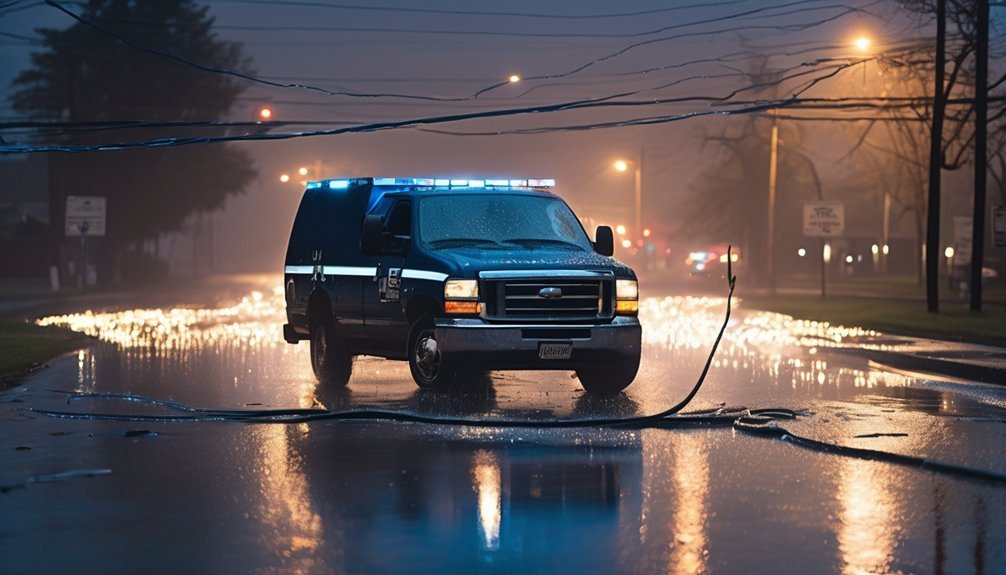
A downed power line turns Finny’s final act of protectiveness into a fatal mistake. The storm brings the line down, and the exposed wire carries lethal voltage across the wet surface of the puddle surrounding the crash site. Rain amplifies the ground’s conductivity, transforming an ordinary puddle into an invisible death trap.
When Finny makes contact with the energized puddle during his rush to reach Sylvie, the high-voltage shock instantly disrupts his heart rhythm, triggering fatal cardiac arrest. He does not suffer a prolonged death. The electricity kills him with brutal efficiency and without warning.
What makes this moment so devastating within the story’s world is its randomness. Finny acts out of love, motivated purely by his protective instinct, yet the power line does not distinguish heroism from carelessness. He is killed not for anything he did wrong, but for being exactly who he always was.
Why Autumn Wasn’t There
What sealed Finny’s fate wasn’t just the wire — it was who wasn’t there. Autumn, his childhood best friend and the story’s narrator, wasn’t with Finny the night he died. That absence haunts the entire novel, right down to its title.
Laura Nowlin builds the story around a devastating “what if” — what if Autumn had been there? Could she have stopped him from stepping near that downed power line? Could she have warned him, pulled him back, changed the outcome?
We’ll never know, and that’s exactly the point. Autumn carries that weight throughout the narrative. She didn’t witness his death, didn’t get a chance to warn him or pull him back. Her absence transforms the tragedy from a simple accident into something far more emotionally complex — a loss defined as much by what didn’t happen as by what did. This is the question that gives the book its title and its emotional core.
How Autumn Learns the Truth About Finny’s Death
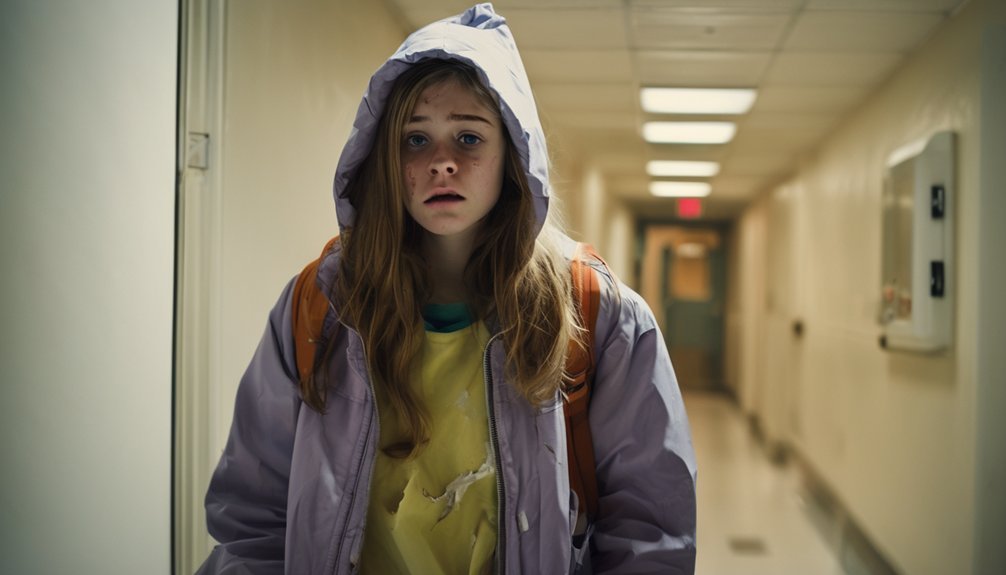
Autumn learns the truth about Finny’s death through a carefully constructed narrative that withholds the full details until the very end of the story. From the beginning, she already knows Finny is gone, but the specifics stay hidden while the story builds their history and relationship first.
The narrative unfolds inside Autumn’s perspective as she processes everything they shared. You understand early that a tragic accident is coming, but the full weight of it doesn’t land until the final pages. That’s when you discover exactly how Finny died and what he was trying to do, and the revelation hits hardest precisely because you have already fallen in love with their story.
What makes it even more devastating is the timing of the reveal. Autumn processes the complete truth about Finny’s death while simultaneously giving birth to his baby, forcing her to hold both grief and new life at once. It is one of the most emotionally precise moments in the book, and it reflects Laura Nowlin’s control over her reader’s experience throughout the novel.
For readers who want to understand exactly what happens in those final chapters, our complete ending explained article covers every detail.
What Finny’s Death Reveals About the Book’s Themes

Finny’s death doesn’t just break your heart — it reveals exactly what Laura Nowlin wants you to understand about life. Life is unpredictable and deeply unfair. Finny dies on the very night he planned to leave Sylvie and return to Autumn. That timing isn’t accidental — it’s Nowlin driving home how cruelly fate operates.
The novel refuses to suggest that goodness protects you. Finny is one of the most genuinely decent characters in young adult fiction. He is loyal, protective, empathetic, and honest. None of that saves him. The school hallways where he and Autumn spent four years pretending not to know each other, the family dinners, the summers, the memories they built and then buried — all of it ends because he stepped in the wrong puddle on the wrong night.
Grief, Suicide, and the Choice to Survive
The aftermath of Finny’s death takes up a significant portion of the novel’s final chapters. Autumn’s grief is depicted with unflinching honesty. She stops taking her medication. Her mental health deteriorates. She experiences suicidal ideation and eventually attempts suicide, landing in the hospital. This is not a subplot — it is the direct consequence of losing someone who was the emotional center of her world.
What pulls Autumn back is the discovery that she is pregnant with Finny’s child. The baby does not erase the grief. It does not resolve it or explain it or make it fair. But it gives Autumn a reason to keep going, which is the only thing grief actually requires: one reason. Nowlin understands this and writes it without sentimentality.
The school counselors, the therapy, the mothers, the reconciliation with Jamie — all of these function as the architecture of survival rather than the solution to grief. Autumn does not recover from losing Finny. She learns to carry it.
The Title and What It Means
The title of the novel is a conditional statement: If He Had Been With Me. It names the specific counterfactual that haunts Autumn after Finny’s death. If she had been in that car instead of Sylvie. If she had been there when the wire came down. If she had been with him — would he still be alive?
The question has no answer, and Nowlin does not pretend otherwise. But the title frames the entire novel as an act of grief-driven imagination, a story that exists in the space between what happened and what might have happened differently. That is both the novel’s central theme and its most devastating emotional achievement. The title is not a statement of regret from Finny. It is a statement of loss from Autumn, looking back at a night she was not there for.
But it also forces the reader to ask: what is the cost of avoiding the people who matter most? Autumn and Finny spent four years in the same building, living next door to each other, circling a truth they were both too afraid to say out loud. The title carries that weight too — all the years he could have been with her, and she with him, if either of them had found the courage sooner.
But the novel doesn’t stop at despair. Autumn carries Finny’s child, and that reality anchors her survival. The story insists that beauty persists even inside unbearable grief. You cannot control what you lose, but you can choose to keep living.
For a complete breakdown of every character in the novel and their role in the story, including how Finny’s character is built across 24 chapters, see our full character guide.
Frequently Asked Questions
Does Sylvie Feel Guilty About Finny’s Death?
The book doesn’t show Sylvie feeling guilty after Finny’s death. The narrative is told entirely from Autumn’s perspective, so we never access Sylvie’s emotional response or her thoughts about surviving the crash that killed Finny. Her silence after the accident is one of the story’s most haunting unresolved threads.
Were Autumn and Finny Officially Together Before He Died?
They were not officially together. They had confessed their love and Finny had made plans to end his relationship with Sylvie, but he died before any of that could happen. Their relationship exists in a state of beautiful, heartbreaking possibility — acknowledged but never realized. That suspension is central to what makes the ending so devastating.
Does Autumn’s Pregnancy Get Confirmed in the Book?
Yes. Autumn’s pregnancy is confirmed in the novel. The discovery becomes the turning point in her grief — the baby represents her remaining connection to Finny and becomes the reason she chooses to survive rather than give in to the suicidal thoughts that follow his death.
How Does Finny’s Death Affect His Mother?
Finny’s death devastates his mother completely. She and Autumn’s mother, lifelong best friends, must navigate their shared grief together. His mother is shown locked in his room with Autumn at one point, both of them trying to process the loss of someone who was the center of both their worlds. The mothers’ bond becomes both more painful and more essential in the aftermath of Finny’s death.
Does the Novel Explore Sylvie’s Perspective on the Crash?
No. The novel never explores Sylvie’s perspective on the crash or its aftermath. Since the entire story is told from Autumn’s point of view, Sylvie’s firsthand experience of surviving the accident remains completely inaccessible. Her survival alongside Finny’s death is one of the story’s most painful ironies, but Nowlin leaves it unexamined from Sylvie’s side by design.
When in the Book Does Finny Die?
Finny dies near the end of the novel, after the summer in which he and Autumn finally confess their feelings for each other. The book is structured so that his death arrives just as the reader has the most invested in their future together. The timing of his death within the narrative is deliberate and precise — Nowlin earns the devastation by making you believe, briefly, that things might work out.
Is There a Version of the Story From Finny’s POV?
Yes. Laura Nowlin published If Only I Had Told Her in 2024, a companion novel that retells the events of the original book from Finny’s perspective. It gives readers access to his thoughts, his feelings for Autumn, and his experience of all the moments the original novel shows only through Autumn’s eyes. For readers who finished the original book devastated, this companion novel is both deeply satisfying and entirely heartbreaking.
Conclusion
Finny’s death is both senseless and inevitable — a cruel twist of fate that leaves Autumn, and the reader, breathless. He died doing something selfless, stepping out for Sylvie, only to be struck down by something completely random. That’s what makes it so devastating. Life doesn’t punish the reckless or spare the kind. Sometimes, goodness walks right into tragedy, and there’s nothing anyone could have done differently.
That randomness is the point. And that’s why readers across every generation who encounter this book cannot stop thinking about Finny long after they close it.